Analysis of Wave Plate Materials: Properties, Advantages and Applicable Environments
Analysis of Wave Plate Materials: Properties, Advantages and Applicable Environments
I. Introduction
II. Common Wave Plate Materials and Their Properties
(A) Wooden Wave Plates
Physical Properties
Wooden wave plates have a certain degree of strength and toughness and can withstand a certain amount of external force. Different types of wood, such as oak and pine, have different densities and thus different strengths. Generally speaking, wave plates made of wood with a higher density are more solid.
They have good heat insulation properties. The honeycomb-like structure of wood helps to prevent the transfer of heat, which can reduce the heat exchange between the indoor and outdoor environments to a certain extent and play an energy-saving role.
Chemical Properties
Wooden wave plates are easily affected by changes in humidity. In a humid environment, the wood may absorb moisture, expand, deform, and even become moldy and rotten. If properly treated with moisture-proof measures such as painting and impregnation, its moisture-proof ability can be improved to a certain extent.
Wood may react to some chemical substances. For example, long-term contact with acidic or alkaline substances may cause the surface of the wood to change color or be damaged.
(B) Plastic Wave Plates
Physical Properties
Plastic wave plates usually have a relatively light weight, which makes the installation process more convenient, especially in places where there are strict requirements on weight. For example, in some temporarily erected building decorations, plastic wave plates can be easily installed on light structures.
They have good flexibility and can be bent to a certain extent without breaking, enabling them to meet the design requirements of some curved shapes. Moreover, the dimensional stability of plastic wave plates is relatively good, and they are less affected by changes in temperature and humidity and will not deform as easily as wooden wave plates.
Chemical Properties
Different types of plastic wave plates have different chemical corrosion resistances. For example, PVC plastic wave plates have good tolerance to common chemical substances such as acids and alkalis, and can remain stable even in a chemical-polluted environment such as a chemical workshop. However, some organic solvents may dissolve or erode certain plastic materials.
(C) Metal Wave Plates
Physical Properties
Metal wave plates (such as aluminum plates and steel plates) have high strength and can withstand large pressures and impacts. They are well applied in places where high-strength protection is required, such as industrial plants and warehouses. For example, steel plate wave plates can effectively resist the impact of external objects.
Metal materials have good thermal conductivity. For example, in the exterior wall decoration of some electronic equipment rooms where heat dissipation is required, metal wave plates can help dissipate heat. Meanwhile, the electrical conductivity of metals requires attention to grounding and other safety measures during the installation process.
Chemical Properties
Metal wave plates are prone to rusting or corrosion. However, through surface treatment processes such as galvanizing and baking paint, their corrosion resistance can be greatly improved. For example, galvanized steel plate wave plates can maintain a good appearance and performance for a long time in the outdoor environment and can resist the erosion of rainwater, air, etc.
III. Advantages of Wave Plate Materials
(A) Aesthetics
Whether it is the natural texture of wood, the rich colors of plastic, or the texture of metal, wave plates can bring a unique visual effect to the space. Wooden wave plates can create a warm and natural atmosphere; plastic wave plates can achieve a lively and fashionable style through color matching; metal wave plates reflect a simple and modern industrial aesthetic.
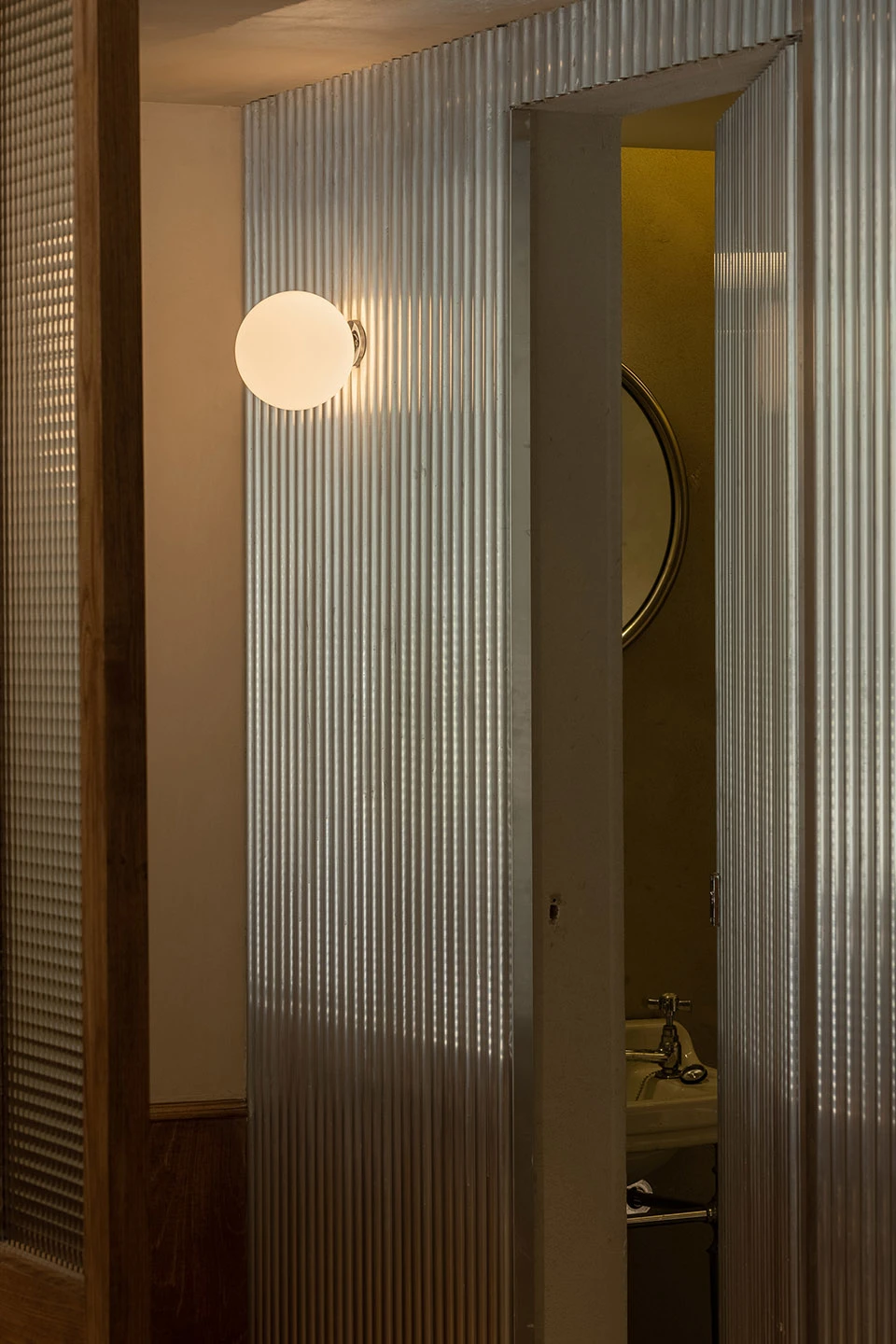
The wavy shape of the wave plate itself is highly decorative. It can increase the layering and three-dimensional sense of the space through the light and shadow effect. Under the illumination of indoor lights, the undulating surface of the wave plate will produce rich shadow changes, making the space more vivid.
(B) Versatility
In terms of functions, such as the heat insulation performance of wooden wave plates, the heat dissipation or protection performance of metal wave plates, and the flexibility and portability of plastic wave plates, they can play roles in different functional requirement scenarios. For example, in the interior wall decoration of a theater that requires sound insulation and heat insulation, wooden wave plates can be chosen; in the decoration around a swimming pool that requires waterproof and moisture-proof, plastic wave plates can be used; in the factory building that requires high-strength protection, metal wave plates are the ideal choice.
Wave plates can also be combined with other materials to further expand their functions. For example, by laminating a layer of thermal insulation material on the surface of a metal wave plate, both thermal insulation and protection functions can be achieved simultaneously; by installing lighting equipment on a wooden wave plate, a unique lighting decorative effect can be created.
(C) Economy
Different materials of wave plates have certain differences in price, which enables consumers to make choices according to their budgets. Generally speaking, plastic wave plates have a relatively low price. In some projects with high requirements for cost control, such as the decoration of budget hotels, a large number of plastic wave plates can be used to achieve a beautiful decorative effect.
The installation of wave plates is relatively simple, especially for some prefabricated wave plates, which can reduce the installation time and labor costs. Moreover, the maintenance costs also vary according to the materials. For example, the maintenance of plastic wave plates and well-treated wooden wave plates is relatively simple and does not require frequent special maintenance.
IV. Applicable Environments of Wave Plate Materials
(A) Indoor Environments
Home Decoration
Wooden wave plates are often used in living rooms, bedrooms and other spaces to create a warm and comfortable living atmosphere. They can be used as background walls, ceiling decorations, etc., and match well with furniture. For some retro or natural style home designs, wooden wave plates are the best choice.
Plastic wave plates are widely used in children's rooms, bathrooms and other places. Colorful plastic wave plates can add fun to children's rooms, and the plastic wave plates in bathrooms have good waterproof and moisture-proof properties and can be used for wall and ceiling decorations.
Metal wave plates are used in modern and simple style homes for partitions, decorative walls, etc. For example, stainless steel wave plates can create a fashionable and simple space effect, and they are also easy to clean in kitchens and other areas that are prone to getting dirty.
Commercial Places
In shopping malls, stores and other commercial spaces, wooden wave plates can be used to create an upscale and warm shopping environment. For example, in some high-end clothing stores, wooden wave plates as wall decorations can set off the quality of the clothing.
Plastic wave plates are widely used in supermarkets, snack bars and other places. Their characteristics of rich colors and low cost are suitable for creating a lively commercial atmosphere, and they are also easy to clean and maintain.
Metal wave plates are often used in jewelry stores, electronic product stores and other places that need to reflect a modern and technological sense. Their texture and luster can improve the overall image of the store, and their solidity can also ensure the safety of the displayed items.
(B) Outdoor Environments
Building Exterior Facades
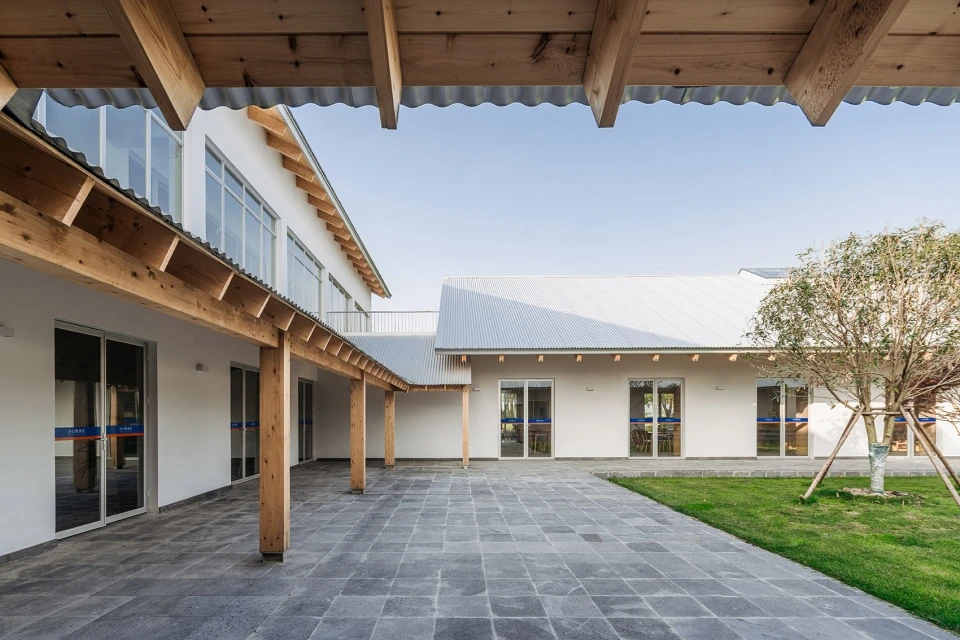
Wooden wave plates, after special treatment, can be used for the exterior facades of some buildings that require a natural style, such as wooden villas and garden buildings. However, regular maintenance is required to prevent erosion by wind and rain.
Plastic wave plates are widely used in outdoor billboards, temporary building exterior facades and other aspects. They can resist ultraviolet radiation and a certain degree of wind and rain erosion, and they are light in weight and easy to install.
Metal wave plates are one of the commonly used materials for outdoor building exterior facades, especially in large buildings such as industrial buildings, warehouses and stadiums. Their high strength and good weather resistance enable them to maintain a stable appearance and performance for a long time.
Landscape Facilities
In park pavilions, rest benches and other landscape facilities, wooden wave plates can add a natural beauty. However, when choosing wood, its durability and maintenance cost should be considered.
Plastic wave plates can be used for some temporary landscape decorations, such as landscape setups during festival celebrations. Their lightness and ease of processing can quickly realize creative designs.
Metal wave plates are used in some landscape facilities that need to be used for a long time and are strong, such as the support structures of sculptures and large landscape walls. They can withstand large external forces and environmental pressures.
V. Conclusion


素材-建材物料行业素材(18)-表单2
邮件*
*


©2025 All Rights Reserved